
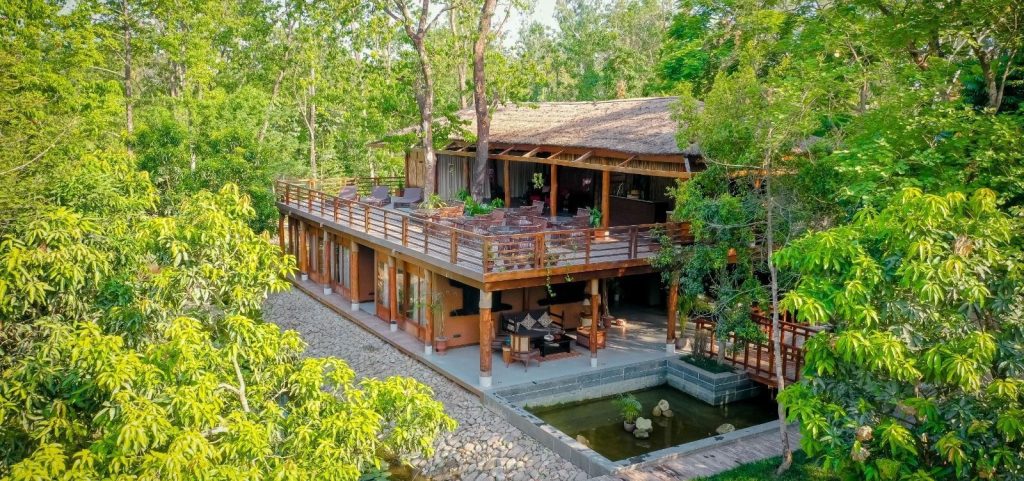
Miraaya Golf & Wellness Resort
Miraaya Wellness & Golf Resort is Nepal’s first premier eco-wellness, spirituality, cultural, golf retreat, and active adventure destination. A transformative sanctuary where well-being, sacred traditions, nature immersion, and recreation come together in harmony. Nestled in the serene foothills near CG Shashwat Dham in Devchuli, Nawalparasi, Miraaya offers more than just a getaway – it’s a purposeful journey that nurtures the body, awakens the spirit, honors culture, and reconnects guests with the healing power of nature.
Guests enjoy healing therapies of Healing Sanctuary’s Prana Veda, an ancient wisdom of Ayurveda or the award winning healing treatments from The Farm at San Benito, immersing to the nature trails, curated dining and active pursuits — all designed to reconnect body, mind and spirit.
Hyatt Regency, Kathmandu
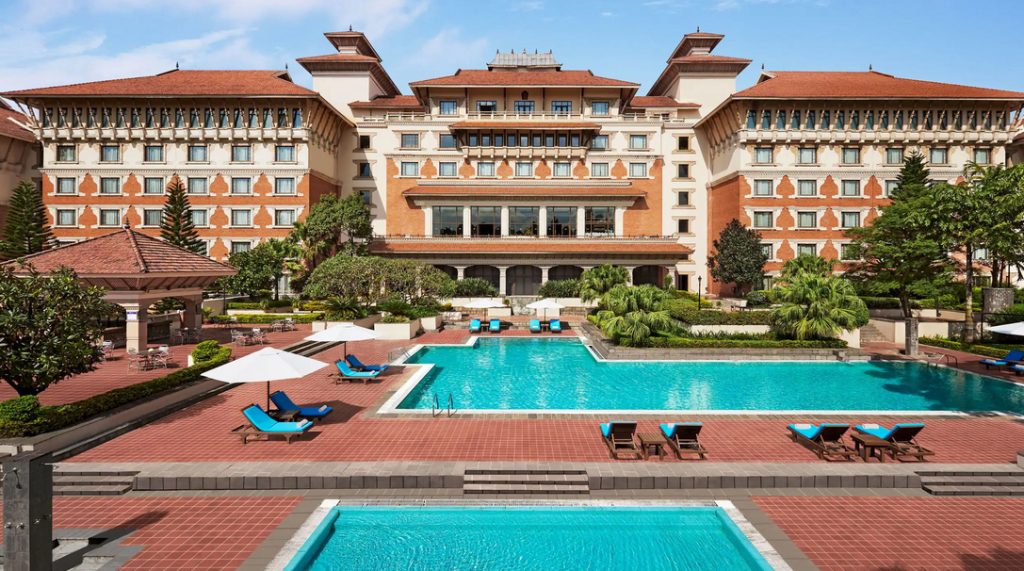
Hyatt Regency Kathmandu, which was severely damaged by arson, vandalism and looting during the Gen Z movement, is nearing completion of its reconstruction and renovation. The five-star hotel in Boudha is preparing to resume operations from January 2027, according to management. Most structural reconstruction has been completed, with finishing work and technical testing underway. The fire damaged the lobby, casino and around 70 rooms, while electrical, water, telephone, internet and air-conditioning systems were also affected. Following reconstruction, an international management team will inspect the facilities and safety systems. The 280-room hotel is expected to undergo a possible soft opening before fully resuming operations.
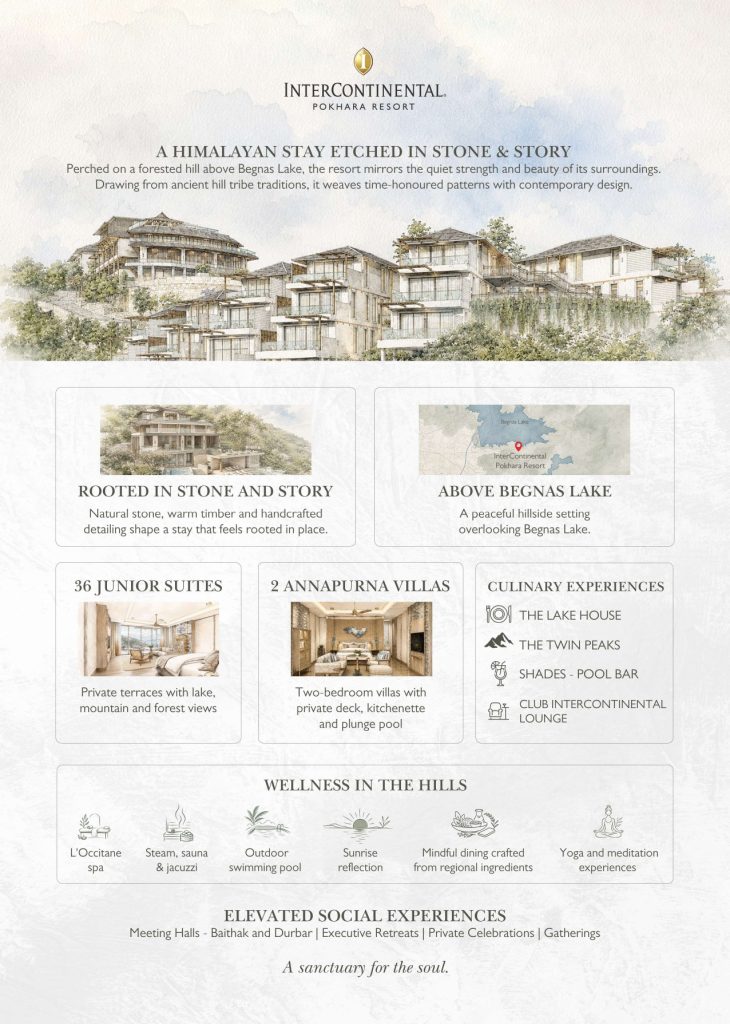
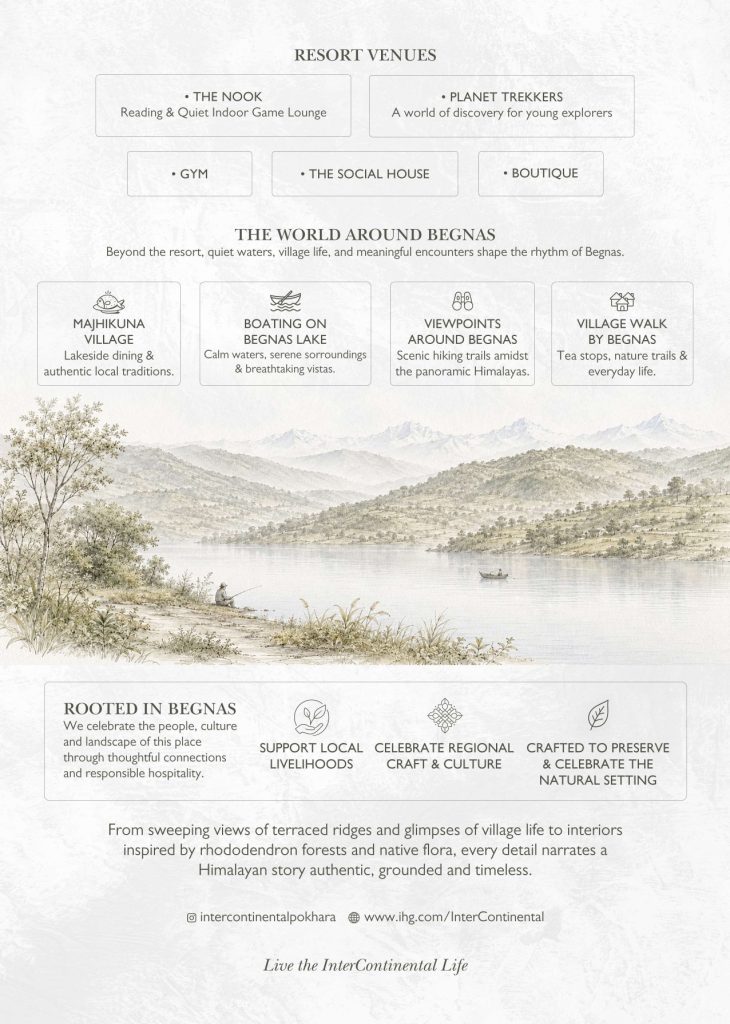
Hotel Intercontinental, Begnas Lake
Latauli Sanctuary
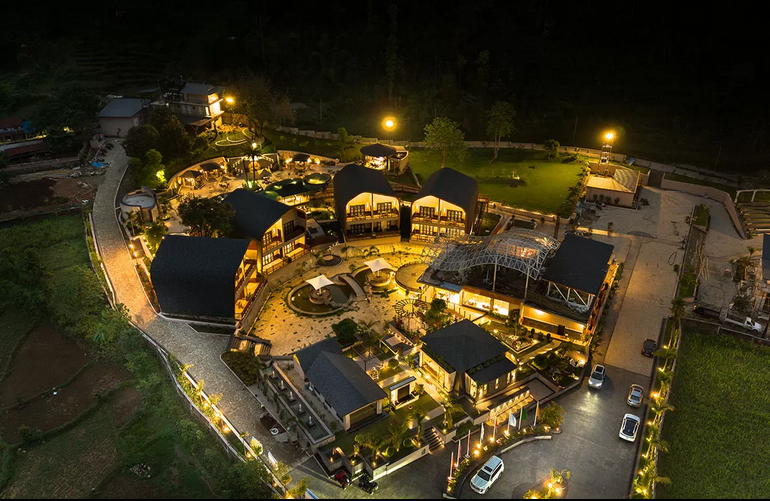
Nestled in the tranquil landscape of Shaktikhor, Latauli Sanctuary Resort offers breathtaking views of Upardang Gadhi and Siraichuli, creating a natural sanctuary for relaxation and discovery. Surrounded by lush greenery and located within easy reach of Chitwan National Park, the resort serves as an ideal gateway to the region’s rich wildlife, culture, and natural beauty.
With a strong focus on sustainable hospitality, Latauli Sanctuary Resort embraces responsible tourism that nurtures nature and uplifts the local community. Our sustainability efforts include minimizing plastic use, adopting energy-efficient practices, and working closely with local communities to preserve the area’s natural and cultural heritage.
Kaiser Café, Garden of Dreams
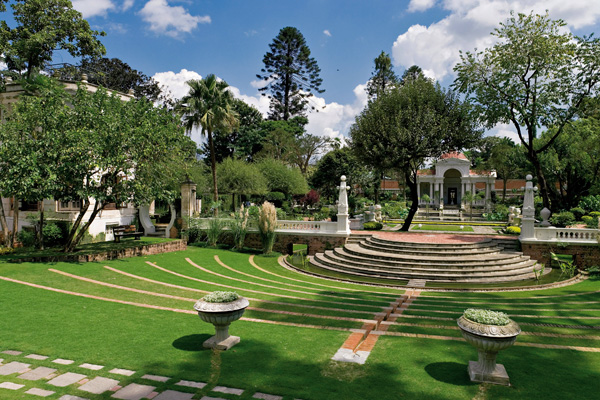
In the midst of downtown Kathmandu’s urban bustle, the tranquil oasis of the Kaiser Mahal Garden stands as an enduring legacy of the extraordinary vision and talent of one man – Late Field Marshall Kaiser Shumsher Jung Bahadur Rana (1892 – 1964).
Located just across the street from the former Royal Palace at the entrance to the Thamel tourist area, the Garden was neglected for decades. Its neo-classical pavilions paying homage to Nepal’s six seasons were crumbling. The stately garden paths were overgrown, and the rich variety of subtropical flora was disappearing beneath a jumble of weeds. Now, with the support of Austrian Development Aid and in collaboration with the Ministry of Education, Government of Nepal, this national treasure has been restored and can once again assume its rightful place among the great landscape monuments of South Asia.
The Garden is now open for all who wish to experience and enjoy Kaiser Shumsher’s extraordinary legacy to Nepal.
This magnificent neo-classical garden is typical of the wide-ranging interests of the remarkable Rana aristocrat. A statesman, scholar, linguist, and connoisseur of horticulture, art, and literature, Kaiser Shumsher created a masterpiece that, in its design and literary allusions, is inextricably linked to the collections of books about gardening, architecture, and literature in his impressive library.
While a dozen European-style gardens of similar caliber can be found in India, Kaiser Shumsher’s extreme refinement and his personal adaptations of the landscape and architecture, together with the Garden’s connection to a historically significant figure, make this one of the great and unique landscaping monuments of South Asia.
The Garden of Dreams is adjacent to the former Royal Palace (now a museum) built in 1895. The then Prime Minister Chandra Shumsher obtained the palace for his son Kaiser. Within the Garden walls Kaiser Shumsher created an exquisite ensemble of pavilions, fountains, decorative garden furniture, and European-inspired pergolas, balustrades, urns, and statues. He erected six impressive freestanding pavilions, each dedicated to one of the six seasons of Nepal. These pavilions provided the Garden’s architectural framework and lent a cosmopolitan flavor to the formal arrangements of flowers, shrubs, and trees.
The Garden’s design has much in common with formal European gardens: paved perimeter paths, punctuated by pavilions, trellises, and various planting areas, surrounded by a sunken flower garden with a large pond at its center. It is an architectural landscape that encourages the visitor to stroll around and discover the Garden’s treasures from many different vantage points.
In a typically Edwardian manner, the formal and axial arrangement of the Garden’s architectural features stands in contrast to its more informal and natural planting – a juxtaposition consistent with that of the gardens created in England during the reign of Edward VII.
In fact, the Garden was remarkably up to date for its time, comparable to the latest garden designs in the first quarter of the 20th century. Considering Kaiser Shumsher’s impressive book collection this is not surprising. Unfortunately, many of the original volumes in the library have been lost over time, making an analysis of printed sources difficult. However, the architectural sophistication of the individual pavilions suggests that they were inspired by pattern books, with minor local adaptations.
Kishore Narsingh, an architect to Kaiser Shumsher’s father, the Maharaja, was responsible for the detailed layout and execution of the Garden, following the instructions of his distinguished client. Narsingh, together with his architect brother, had designed and supervised the construction in 1907 of Singha Darbar – one of Asia’s most ambitious palaces – for Maharaja Chandra Shumsher. Narsingh’s experience with the Darbar, combined with Kaiser Shumsher’s sophistication, may well explain the extraordinary refinement of the Garden of Dreams.
The Postcard Hotel
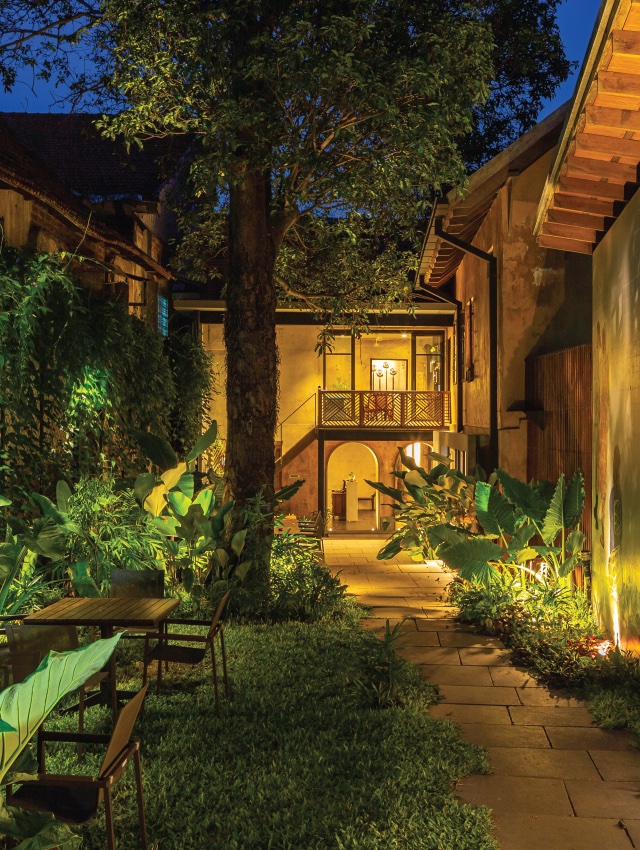
The Postcard Hotel is one of India’s and South Asia’s fast-growing luxury hospitality brands, with immersive luxury hotels in breathtaking destinations across India, Bhutan, Sri Lanka, and Nepal.
Founded by Mr. Kapil Chopra, former President of Oberoi Hotels & Resorts and one of South Asia’s most esteemed luxury hospitality professionals, The Postcard Hotel was launched in December 2018 with a vision to redefine luxury hospitality.
The Postcard creates and operates world-class hotels in extraordinary locations – by the sea, in the mountains, on tea, coffee, or wine estates, at heritage sites, or in UNESCO World Heritage National Parks and Wildlife Sanctuaries.
More than just a hotel, The Postcard stands for the romance, charm, and simplicity of the old way to holiday. This means that at all our properties, our guests can enjoy anytime check-in and check-out, wake up unhurried to anytime a la carte breakfast and are always welcomed with delicious cocktails to start your holiday in style.
A Postcard experience simply means taking you to a stunning destination, offering you with the comfort of world class luxury and immaculately personalized hospitality, and most importantly, immersive experiences of the destination which you’ve never had before.
Food is a big part of a Postcard experience. 50% of the menu at each hotel offers excellent international and popular Indian cuisine, but 50% is focused towards “local artisanal cuisine” where our team of professional chefs collaborate with the local housewife’s of the village and farmers within 40 sq. km growing organic food. Though this collaboration, the chefs have curated dishes you can genuinely say ” I’ve never had something like before and can come back just for the food”.
Celebrated for its thoughtful hospitality and commitment to setting new benchmarks, The Postcard Hotel has been recognized by guests and industry alike.
In addition to this, the brand has been honored as “World’s Leading Emerging Boutique Hotel Brand” at the coveted World Travel Awards. At the last annual World Travel Awards that were held at Hong Kong in October 2025, 11 Postcard hotels won in various categories including The Postcard on the Arabian Sea winning “World’s Leading boutique beach hotel”, a first one for any hotel of India.
As a mark of recognition by its guests, the brand has achieved an exceptional rating of 9.6 at the Annual Traveler Review Awards on Booking.com—the highest score globally for any luxury hotel brand.