

Historic Discovery in Kapilvastu: First-Ever apsidal Temple Found in Nepal at Tilaurakot, Revealing Evidence of Ancient Pilgrimage Activity.
Archaeologists have discovered Nepal’s first known apsidal Buddhist temple inside the ancient city of Tilaurakot–Kapilvastu in Kapilvastu district. The discovery was announced by a joint team from the Department of Archaeology, Lumbini Development Trust, and Durham University’s UNESCO Chair, with national and international experts.
The newly identified structure follows the classic apsidal layout, a rectangular plan with a semi-circular rear wall defining the sacred core and an entrance platform at the opposite end. While apsidal temples are known in South Asia, they were typically built as part of separate religious complexes. What makes this discovery rare is that the temple was constructed within the urban core of the city, rather than outside it.
Researchers state that the structure was built over the remains of an earlier palace complex near the city center. A large number of oil lamps found at the site suggests it served as a long-standing religious and pilgrimage center for devotees visiting the ancient city. The site remained religiously important for centuries, with later builders intentionally covering earlier temple structures beneath a brick platform likely to preserve or rebuild over the sacred space.
Experts describe Tilaurakot–Kapilvastu as one of the best-preserved early historic cities in South Asia, making this discovery a major archaeological milestone for Nepal.
Tea & Coffee Tourism In Nepal: Experiencing Hills, Heritage, And Flavours
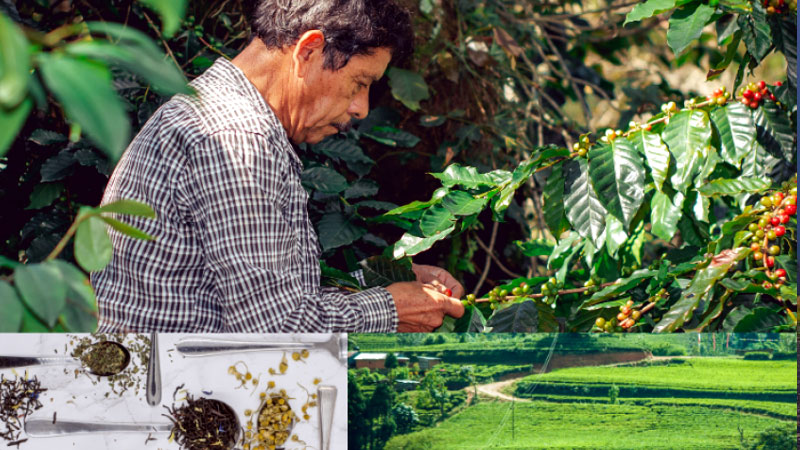
Nepal is emerging as a unique agro-tourism destination, where travellers can explore lush tea terraces in Ilam and aromatic coffee farms in Sindhupalchok. This guide highlights key regions, immersive experiences, seasonal tips, and cultural insights for tea and coffee tourism in Nepal.
Nepal’s rolling hills are more than scenic backdrops, they are thriving centres of tea and coffee cultivation, offering travellers a unique agro-tourism experience. From the eastern terraces of Ilam to the mid-hill coffee farms of Sindhupalchok, visitors can witness centuries-old farming traditions, taste freshly brewed products, and immerse themselves in rural Nepali culture.
Tea and coffee tourism is increasingly integrated with homestays, eco-trekking, and cultural visits, making it a must for travellers seeking authentic experiences beyond the typical sightseeing.
Tea Tourism in Eastern Nepal: Ilam, Dhankuta, Panchthar and Terhathum
Nepal’s tea industry is anchored in the eastern hills, producing premium orthodox teas enjoyed internationally. Travellers can explore estate and smallholder farms, observing tea plucking, processing, and tasting.
Top Tea Tourism Spots
Ilam District: Known as the “Tea Capital of Nepal,” Ilam offers rolling terraces, misty hills, and guided tours through orthodox tea gardens. Tourists can engage in tea plucking, processing demonstrations, and tasting sessions.
Dhankuta and Panchthar: These districts host cooperative-managed tea gardens. Visitors enjoy panoramic views while learning sustainable farming practices.
Terhathum: Smallholder tea farms offer authentic rural experiences with homestays and traditional Nepalese cuisine.
Experiential Highlights
Hands-on tea plucking and processing workshops
Cupping sessions to understand flavour profiles
Learning about organic and low-input farming methods
Seasonal Tips
Spring (March-May) and Autumn (September-November) offer the best scenery and harvest activities.
Coffee Tourism in Mid-Hills: Gulmi, Palpa, Sindhupalchok and Syangja
Nepalese coffee, predominantly Arabica, is cultivated in mid-hill districts at 1,000-1,600 metres, producing high-quality beans with unique flavour profiles. Coffee tourism is growing, allowing travellers to walk the farms, meet smallholder farmers, and experience harvesting.
Key Coffee Tourism Regions
Gulmi District: The historical origin of Nepalese coffee. Villages like Aapchaur offer tours of traditional coffee farms and on-site roasting demonstrations.
Sindhupalchok: Emerging as a specialty coffee hub, offering guided farm tours and interactive tasting experiences.
Palpa and Arghakhanchi: Visitors can explore scenic mid-hills, interact with cooperative farmers, and enjoy local hospitality.
Waling (Syangja): Popular for coffee terraces, homestays, and cultural immersion.
Experiential Highlights
Walking through high-altitude coffee terraces
Participating in coffee harvesting and processing
Coffee tasting and barista workshops
Combining farm visits with eco-trekking trails
Seasonal Tips
Harvest season (November–February) is ideal for interactive coffee farm visits.
Nepal’s Hills for Tea & Coffee
Altitude: Tea thrives at 1,000-2,300?m; Arabica coffee grows best at 1,000-1,600?m.
Climate: Cool hill climates with mist and monsoon rainfall allow slow berry maturation and complex tea flavours.
Soil and Drainage: Well-drained soils ensure healthy crops and aromatic quality.
Community Integration: Most farms are smallholder and cooperative-based, providing authentic cultural interactions.
Cultural and Economic Impact
Rural Livelihoods: Tourism boosts income for farmers and promotes sustainable practices.
Community Engagement: Visitors interact with local artisans, cooks, and guides, gaining insight into Nepalese traditions.
Sustainable Practices: Organic and traditional methods align with eco-tourism ideals, appealing to environmentally conscious travellers.
Tourism Tips
Combine tea and coffee tours with trekking or cultural homestays for a full experience.
Wear comfortable shoes for walking terraces and terraces on hilly slopes.
Carry light rain gear; misty hill weather is common.
Participate in farm workshops, many estates offer booking for small groups.
International Tourist Arrivals to Nepal Rise by 15.7%in January 2026

International tourist arrivals to Nepal showed a strong recovery in January 2026, reflecting growing global confidence in the country as a travel destination. According to the Nepal Tourism Board, a total of 92,573 foreign tourists visited Nepal during the month, marking a 15.7 percent increase compared to January 2025. The figures also surpassed pre-COVID levels, standing 14 percent higher than tourist arrivals recorded in January 2019.
India remained Nepal’s largest source market, contributing nearly one-third of total arrivals, followed by China, the United States, Bangladesh, and Australia. Regionally, South Asian countries accounted for the highest share of visitors, while arrivals from other Asian nations, Europe, the Americas, and Oceania also showed steady growth. Smaller yet notable numbers of tourists arrived from the Middle East and Africa.
Tourism Board CEO Deepak Raj Joshi said the positive trend indicates Nepal’s strengthening position in the international tourism market. He attributed the growth to improved destination promotion, expanded air connectivity, rising interest in adventure and cultural tourism, and an improved global image of Nepal. The encouraging data, he noted, supports Nepal’s gradual establishment as a “lifetime experience destination” for international travelers.