
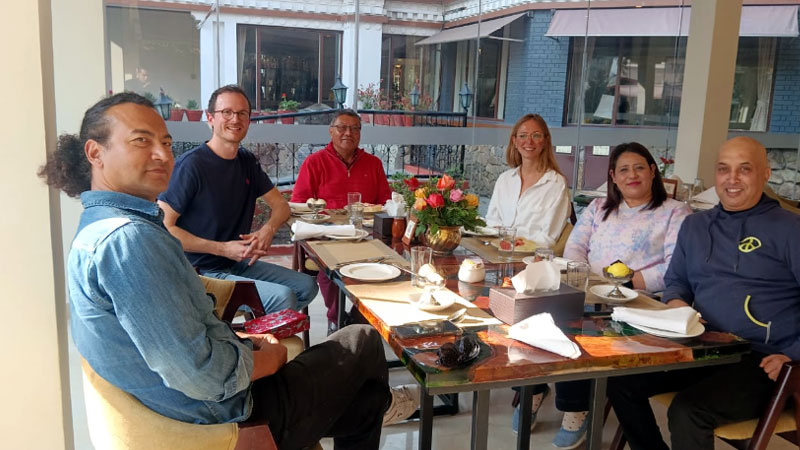
Meeting with SKR CEO
We were proud to receive the CEO of SKR Reisen Mr. Philip Unrein in Nepal. SKR Reisen is a tour operating company that is in a leadership position in Germany for specializing in offering small group tours worldwide. In 2025 the company grew significantly sending over 41,000 tourists worldwide with 4,500 departures across over 100 countries. It is good to note that advance bookings for 2026 are even higher than in 2025 by 35%. We are very excited by this prospect. It was Philip’s maiden trip to Nepal and he was able to sample all the touristic areas we are offering from Kathmandu to Pokhara, soft hiking in the Annapurna foothills and wildlife experience in Chitwan National Park as well as a visit to the famous hill station of Dhulikhel for panoramic Himalayan vista.
Thai royal consort Sineenatha Bilaskalyani offers prayers at Lumbini
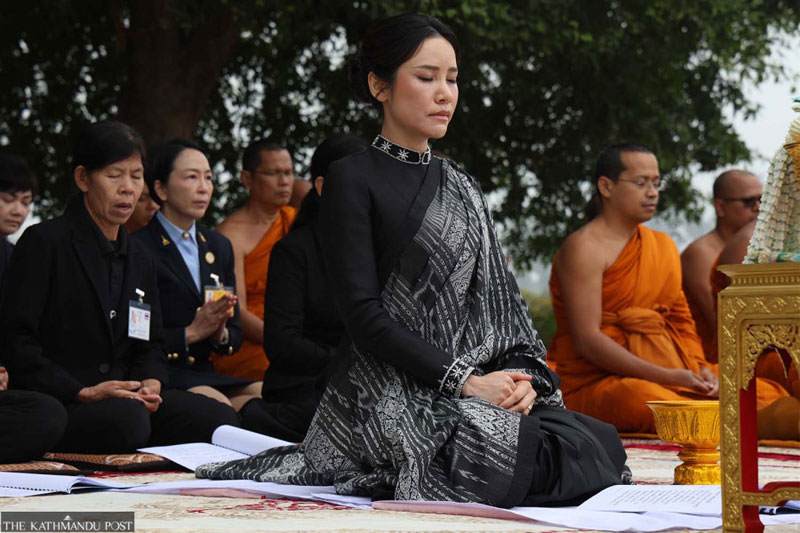
Sineenatha Bilaskalyani, Royal Noble Consort of Thailand, visited Lumbini on Friday and offered prayers at the birthplace of Lord Buddha, underscoring the deep spiritual ties between Thailand and Nepal.
Arriving overland from India for a two-day visit, Bilaskalyani participated in special prayers organised by the Royal Thai Monastery in Lumbini. She departed for Bangkok later in the afternoon aboard a Thai Air Force-chartered Boeing 737.
The junior consort of Thai King Maha Vajiralongkorn offered morning prayers at the Mayadevi Temple, where she also circumambulated the sacred Pushkarini pond. She chanted protective prayers for world peace, harmony, compassion and goodwill for about half an hour. The rituals were conducted by Phra Phrom Vajirabodhivong, the Thai religious envoy to Nepal and India.
Bilaskalyani also offered prayers at the Ashoka Pillar within the Mayadevi Temple complex and interacted with monks, nuns, devotees and pilgrims from various countries. She spent nearly two hours at the temple, showing keen interest in meditation and prayer, temple officials said.
Tourism entrepreneurs believe the visit will further increase the number of Thai pilgrims to Lumbini. They note that Thai tourist arrivals began to rise steadily after Princess Maha Chakri Sirindhorn visited Lumbini eight years ago. Members of the Thai royal family are widely revered in Thailand, and their visits often inspire citizens to travel to the same destinations.
Lumbini, revered as the birthplace of Gautam Buddha and a major centre of Buddhist faith, remains a preferred destination for Thai Buddhists, according to monks and nuns based in the area. During her visit, Bilaskalyani also interacted with local residents and students.
This marks the fourth visit to Lumbini by a member of the Thai royal family. Bilaskalyani had arrived in India on January 21 aboard a chartered aircraft, leading a 70-member delegation of senior palace officials, and visited Bodh Gaya, Sarnath and Kushinagar— sites revered as three of the four holy places of Buddhism—before arriving in Lumbini.
Nepali Street Food: What Locals Really Eat Across Nepal
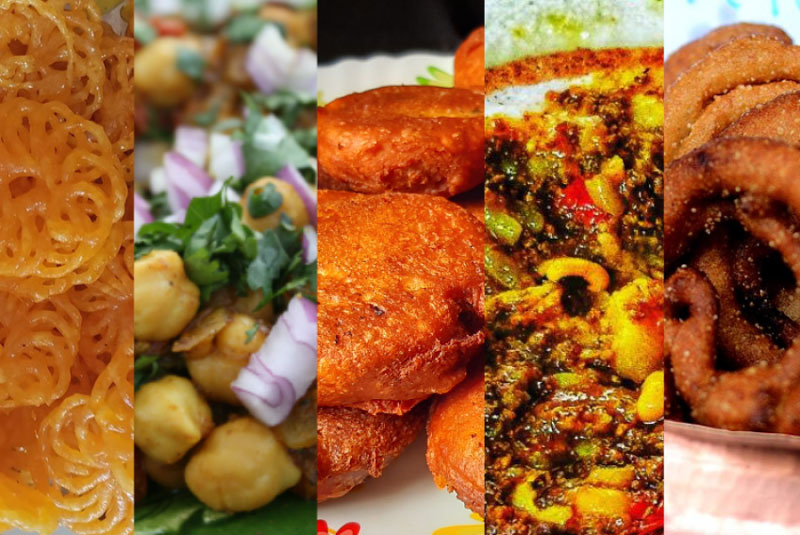
Discover Nepali street food — what locals actually eat every day across Nepal, from momo and aloo chop to sekuwa, chana tarkari and chiya.
To understand Nepal, one must eat where people stand, not where menus are laminated. Nepali street food is not designed for spectacle or export; it is practical, affordable and deeply embedded in daily rhythm. From bus parks and school gates to highway towns and inner-city chowks, these are the foods Nepalis grow up with; and continue to eat long after childhood.
Mo:Mo : The Social Staple
Mo:mo is no longer just a snack, it is a way of life. On the street, momo are smaller, faster and often filled with buffalo or vegetables, served with a sharp tomato-sesame achar heavy on garlic and timur.
You will find momo stalls in every city, every neighbourhood, and at every hour when hunger strikes.
Aloo Chop: The Tea-Stall Classic
Aloo chop is Nepal’s most reliable street snack. Mashed potatoes spiced with cumin, coriander and ginger are shaped, battered and deep-fried until crisp. It is inseparable from chiya (milk tea) and usually accompanied by tomato chutney or dry soyabean achar. Every city has it. Every Nepali knows it. No introduction needed.
Samosa–Jeri: A Nepali Habit
While samosas exist across South Asia, the samosa–jeri combination is uniquely Nepali. Savoury first, sweet immediately after, a ritual believed to “balance” oil and spice. This pairing dominates mornings and late afternoons at roadside stalls and markets, especially in urban centres..
Sekuwa: Smoke, Spice and Skill
Sekuwa is Nepal’s answer to street-side grilling. Chunks of meat, usually chicken, pork or buffalo are marinated in garlic, ginger, cumin, timur and mustard oil, then slow-roasted over charcoal.
Originally associated with eastern hill towns like Dharan, sekuwa is now common across cities and highways. It is eaten with beaten rice (chiura), raw onion and chilli, simple and unapologetic.
Chana Tarkari: The Underrated Favourite
Warm, spiced boiled chickpeas ladled into paper cones or steel bowls, chana tarkari is one of Nepal’s most honest street foods. It is vegan, filling and inexpensive, favoured by students, workers and travellers alike. You’ll find it near bus stops and evening markets, often steaming quietly beside louder stalls.
Chatamari: The Everyday Version
Often romanticised as “Nepali pizza”, true street chatamari is thinner and simpler. Rice batter is cooked on iron plates and topped with egg, minced meat or onions.
While rooted in the Kathmandu Valley’s Newar culture, it is now increasingly common in cities beyond.
Sel Roti: Street-Fried, Not Festive
Festival sel roti is soft and ceremonial; street sel roti is crisper, darker and eaten casually. Sold in the mornings or along highways, it is often paired with milk tea or yoghurt.
It is comfort food, not celebration food.
Laphing: Youth Culture on a Plate
Cold, slippery and aggressively spicy, laphing has become a marker of urban Nepali youth culture. Made from mung bean starch and drenched in chilli, garlic water and sesame paste, it is not designed to be gentle. Kathmandu and Pokhara lead the trend, but it is spreading fast.
Chiya: The Constant
No street food culture in Nepal exists without chiya. Sweet, milky and spiced, it accompanies conversation, waiting, work breaks and gossip. Chiya stalls are where cities pause.
Street food in Nepal is less about novelty and more about habit. Locals eat where crowds gather, where turnover is high, and where food is made fresh and fast. Recipes change slightly by city, by cook, by season, and that variability is the point.
To eat street food in Nepal is to participate in daily life, not observe it.